
Are Old Books Fragile? What Every New Collector Should Know

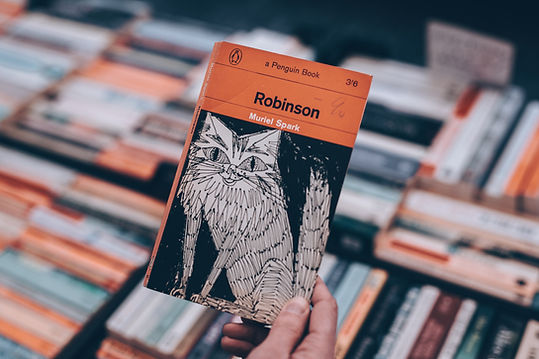
There's a particular way people handle old books when they haven't handled many before. Tentative. Two fingers. Held slightly away from the body, as if the thing might crumble at any moment like a prop from a period drama.
It's understandable. The assumption runs deep - that old means fragile, that age means deterioration, that a book printed a hundred years ago is essentially a museum object to be admired from a careful distance and never, under any circumstances, actually read.
If you've ever wondered whether old books are too fragile to actually read, you're not alone - and the answer might surprise you.
A book from 1566
I want to tell you about a book I have.
Poetae Graeci — a collection of Greek poets, published in 1566. Not a misprint. Fifteen. Sixty. Six.

Poetae Graeci, 1566 - rebound, as was common practice for books of this period.
For a book that has existed for nearly five centuries, it is in remarkable condition. The pages are intact, the text perfectly legible, the paper holding its structure with quiet dignity.
Yes, time has left its gentle marks - some foxing here, a warm tanning to the pages there but these are not damage. They are a record. Evidence of a life well lived across hundreds of years and who knows how many hands.
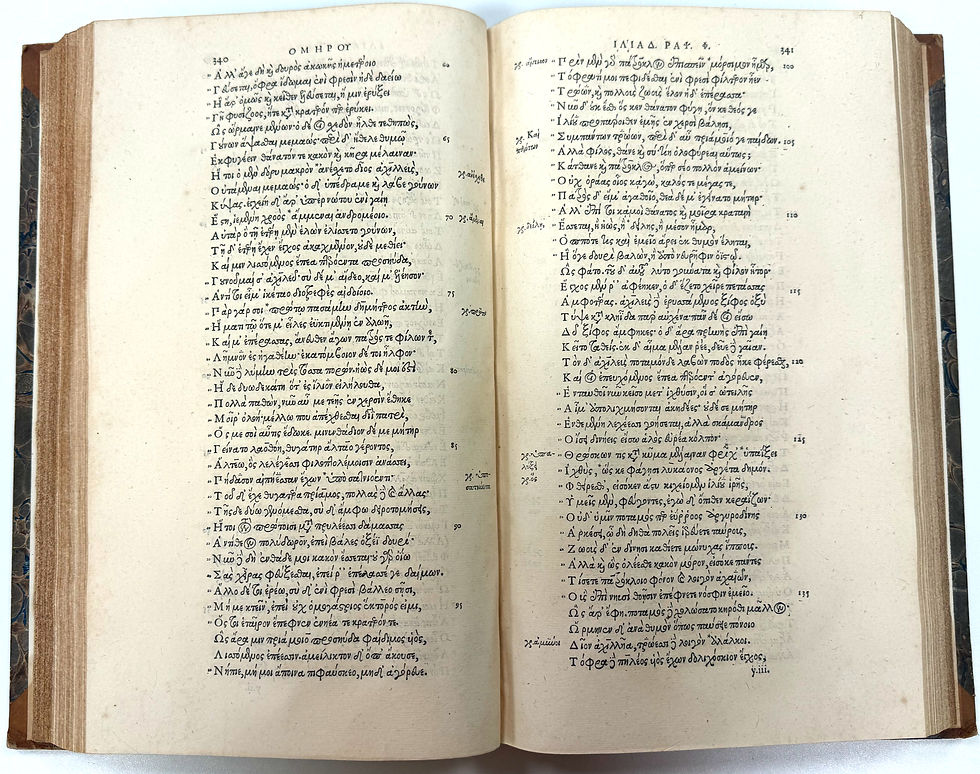
Gently touched by time - foxing and tanning on pages that have survived nearly 500 years.
It has been rebound, which is entirely normal for a book of this age, and actually tells its own story. For most of book history, it was standard practice for books to be sold with plain or paper covers, intentionally unfinished.
The expectation was that the owner would have them rebound to their own taste, to match the aesthetic of their personal library. Rebinding was not a sign of damage or neglect - it was a sign of a book that was loved and cared for across generations.
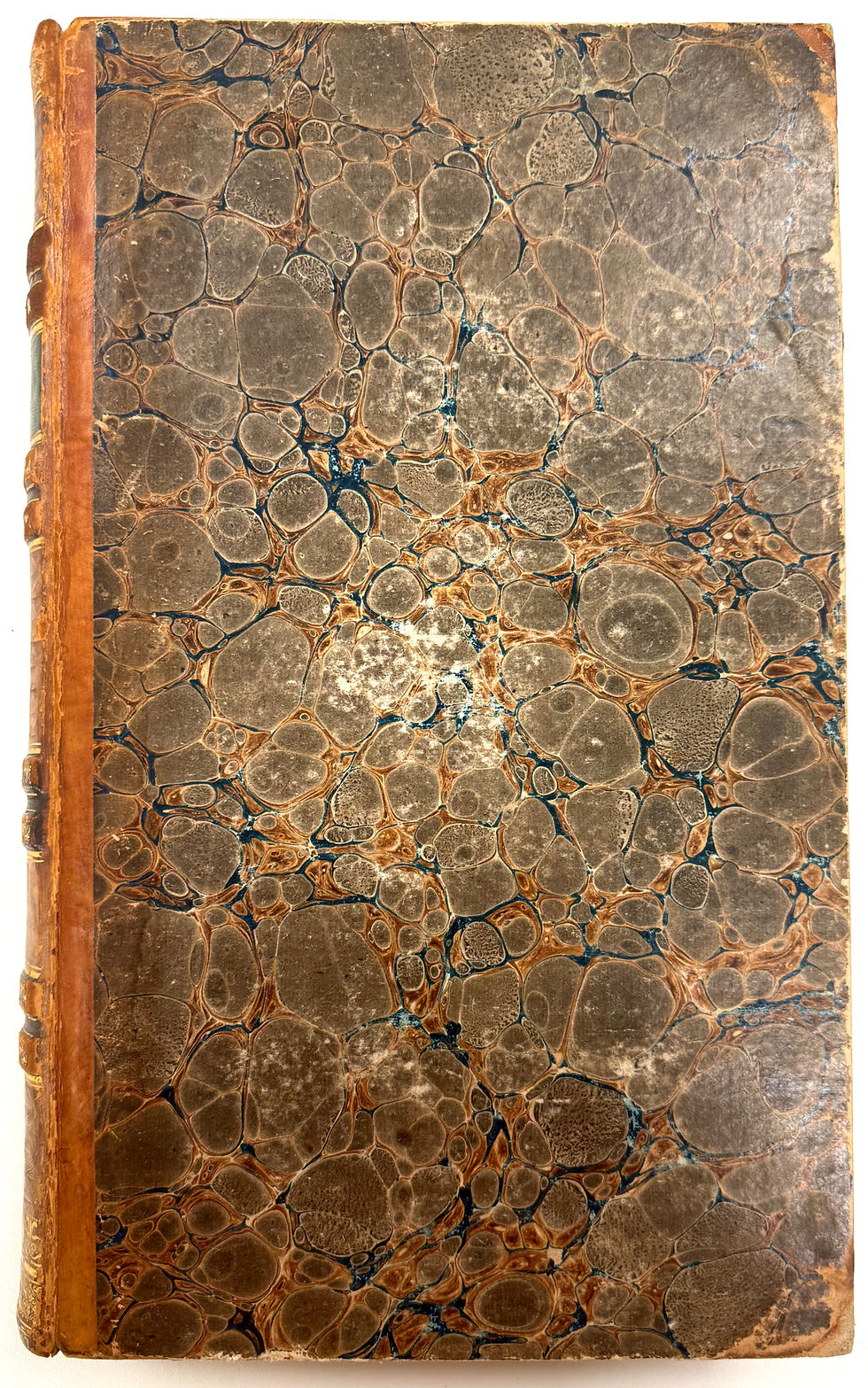
A later rebinding - a common and entirely intentional feature of books from this era
Why older books survive so well
Here is something that surprises most people: books made before the mid-twentieth century were often built to a higher physical standard than much of what is produced today.
Before the widespread adoption of wood pulp paper in the latter half of the 1800s, paper was made from cotton and linen rags - materials that are inherently more stable and longer-lasting than wood pulp, which is naturally acidic and degrades over time. The result is that a book printed in 1880 on rag paper can be in significantly better condition than a paperback printed in 1975.
Add to that cloth bindings, quality adhesives, and the general expectation that a book was an object worth making properly - and you begin to understand why so many vintage books have survived in such fine shape.
Made to be held
The other assumption worth dismantling is that because a book is old, you shouldn't read it. That it belongs behind glass rather than in your hands.
The books that survive best are often the ones that have been handled with care and love over decades - not the ones locked away untouched. A book kept in reasonable conditions, away from direct sunlight and damp, and handled gently, will endure. That is what it was made to do.
Vintage books are not relics. They are objects with a purpose - to be opened, read, and passed on. The foxing on my 1566 Poetae Graeci is not a warning. It's an invitation.
What to look for when assessing vintage book condition
When assessing the condition of a vintage book, a few things are worth checking:
Pages - are they intact and legible, even if aged in colour?
Binding - does it hold together? A rebound book is not a lesser book.
Smell - a musty smell can indicate damp, which is worth noting. A dry, faintly papery smell is simply age.
Foxing and tanning - cosmetic in most cases, and entirely normal in books of significant age.
None of these things make a book unreadable. They make it real.
As we covered in the first post in this series, you don't need expertise to start. You just need to begin.
Until next time, happy reading!
Ana 🍃✒️
👉Next in the series: Vintage books aren't about nostalgia - they're about a different kind of reading entirely.
Have an old book you weren't sure about handling? I'd love to see it - share it in the comments or tag us on Instagram @inkandleafbooks.


Comments